
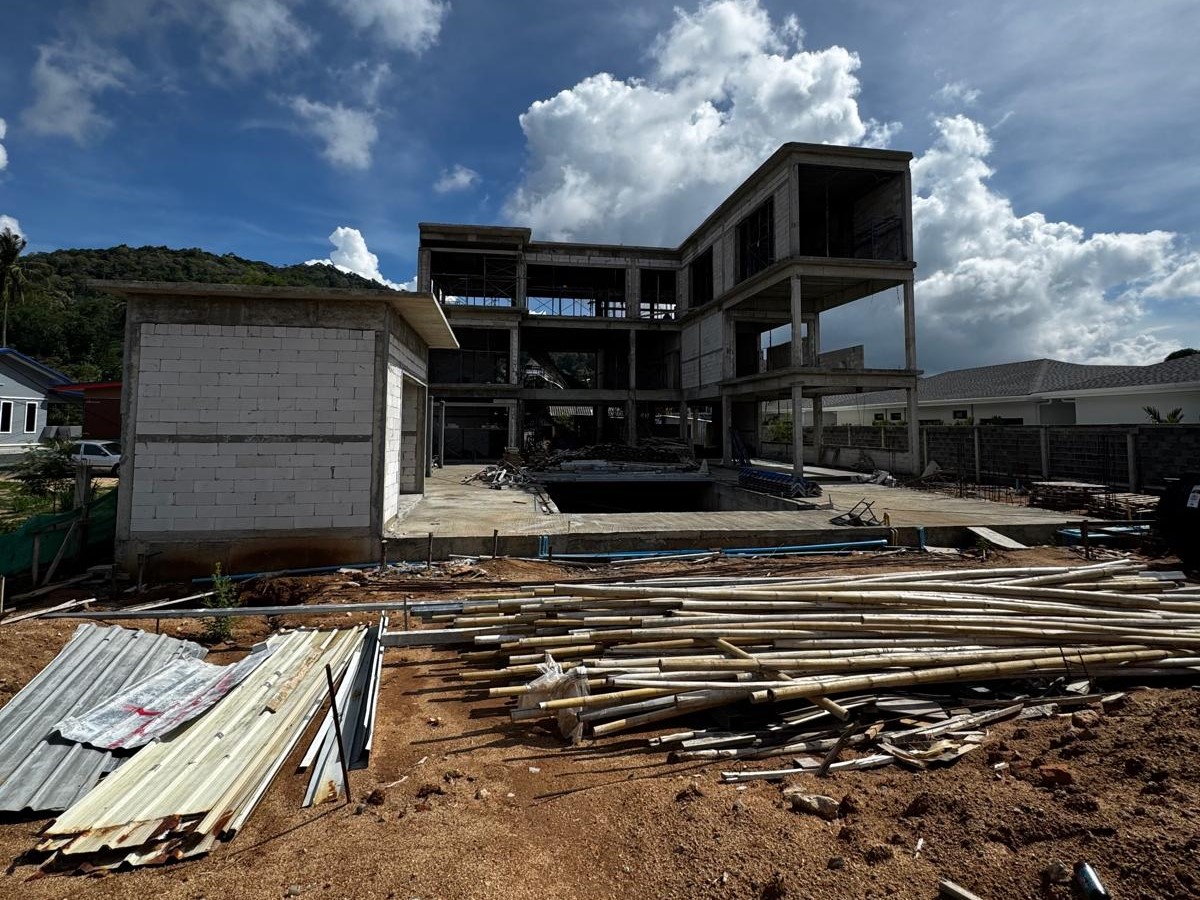
If you are planning a construction project in Phuket, a private villa, a condominium development, or a hospitality resort, you have probably encountered wildly inconsistent numbers. Figures circulating online range from 35,000 THB/m² to 85,000 THB/m² with no clear explanation of what drives the gap.
Most cost guides published in Thailand are either outdated, based on generalized estimates, or lack detailed explanations of the variables affecting final construction cost. This article provides what the market lacks: real construction cost figures per typology, drawn from projects currently managed by KZ Architecture & Design in Phuket in 2026.
Many first-time developers focus on visible construction costs while underestimating infrastructure, permitting, and coordination overhead. Understanding the full picture is the first step to making a sound investment decision.
In this article
- Cost Summary: All Typologies at a Glance
- Why Online Construction Cost Estimates Fail in Phuket
- What Determines Construction Costs in Phuket
- Villa Construction Costs Phuket 2026
- Condominium Construction Costs Phuket 2026
- Resort and Hospitality Construction Costs Phuket 2026
- Hidden Cost Drivers Most Developers Underestimate
- How Project Scale Affects Cost Per m²
- Frequently Asked Questions
Cost Summary: All Typologies at a Glance
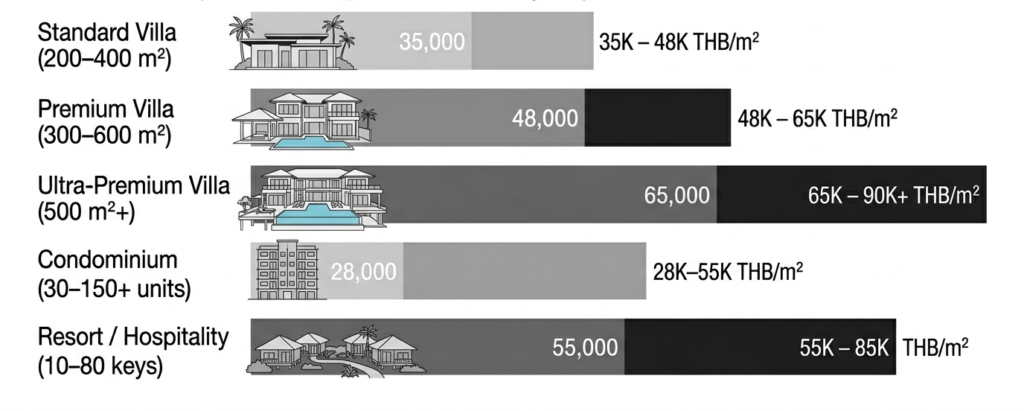
All figures below represent construction cost only, exclusive of land, professional fees, and regulatory studies.
| Typology | Typical Cost Range | Typical Total Budget |
|---|---|---|
| Standard Villa (200–400 m²) | 35,000 – 48,000 THB/m² | 7M – 19M THB |
| Premium Villa (300–600 m²) | 48,000 – 65,000 THB/m² | 14M – 39M THB |
| Ultra-Premium Villa (500 m²+) | 65,000 – 90,000+ THB/m² | 32M+ THB |
| Condominium (30–150+ units) | 28,000 – 55,000 THB/m² GFA | 80M – 350M+ THB |
| Resort / Hospitality (10–80 keys) | 55,000 – 85,000 THB/m² | 50M – 400M THB |
Why Online Construction Cost Estimates Fail in Phuket
Most figures circulating on real estate forums and developer brochures are sourced from Bangkok or mainland Thailand. They do not apply to Phuket. Applying mainland estimates to an island project frequently leads to significant budget underestimation before a single foundation is poured.
Bangkok pricing ≠ Phuket
Labor costs on an island with a tourism-driven economy are structurally higher than on the mainland. Skilled tradespeople, waterproofing specialists, tilers, and metalwork fabricators are in shorter supply across Cherngtalay, Bang Tao, and Layan and command island premiums accordingly. Contractor mobilization for hillside sites adds logistics costs that simply do not exist in urban Bangkok construction.
Complex terrain is the norm, not the exception
The flat, easily buildable plots in Rawai, Nai Harn, and Kamala are largely gone. Most available land today involves gradients, retaining walls, and drainage constraints, particularly on the hillside west coast corridor from Patong to Layan. On hillside sites, concrete truck access, temporary drainage during monsoon season, and retaining wall sequencing become major variables that directly affect both cost and timeline.
Imported materials behave differently here
Premium villas in Phuket routinely specify natural stone, aluminum facade systems, and custom joinery. These are subject to shipping delays and customs clearance variability that mainland projects rarely encounter. A single delayed shipment of facade components can freeze a construction site for 4 to 8 weeks — with costs running regardless.
Infrastructure is never included
Contractor quotes in Phuket rarely include utility connections. On remote or newly developed hillside plots, water, electricity, and road access can add 150,000 to over 2,000,000 THB, invisible in most published cost estimates.
Tourism market inflation
Phuket’s construction market is influenced by the luxury real estate cycle. Material costs, subcontractor rates, and contractor availability fluctuate with development activity in ways that national averages do not capture.
In Phuket, the cheapest contractor is rarely the cheapest project.
What Determines Construction Costs in Phuket
Two projects of identical surface area can differ by 30 to 50% in construction cost based on the following variables.
Site Conditions
Site conditions are the most systematically underestimated cost driver in Phuket. A plot with 5 to 10 meters of elevation difference can add 8 to 15% to the total construction budget before a single wall is erected.
Rocky substrates requiring blasting add further costs that no contractor can accurately estimate without a soil investigation. On hillside sites across Bang Tao or the Kamala hillside, concrete truck access, temporary monsoon drainage, and retaining wall sequencing all have direct budget implications.
Structural Typology
A single-story villa on flat terrain in Rawai and a six-story condominium on a Layan hillside share the same coastal tropical conditions and nothing else. Foundation depth, seismic reinforcement requirements, and infrastructure systems are fundamentally different. Developers who extrapolate villa construction costs to large-scale residential or hospitality developments frequently underestimate their budgets by 20 to 35%.
Finish Level
Within each typology, finishes create the widest cost variance. The gap between standard and ultra-premium specifications in a Phuket villa can represent 20 to 35% of the total construction cost. This variable is entirely within the client’s control, but it must be fixed before contractor selection, not during construction.
Regulatory Requirements
Building permits, Environmental Impact Assessments, soil investigations, and engineering studies add predictable but often underbudgeted costs. The EIA process required for projects above certain thresholds adds 800,000 to 2,500,000 THB and 6 to 14 months before a construction permit can be issued.
Owner-Side Supervision
Most budget overruns are designed upstream long before they appear on site. Based on our observations across 10 projects in Phuket in 2025–2026, projects where the architect works for the owner, not the contractor, show measurably lower cost overruns and fewer post-completion defects. For more on how supervision affects project outcomes, read our detailed analysis of construction supervision in Phuket.
Villa Construction Costs Phuket 2026
Private villa construction in Phuket covers the widest cost range of any typology, driven primarily by plot conditions and client specifications.
Standard Residential Villa (200–400 m²)
Standard villa — typical cost range 2026:
- Construction cost per m²: 35,000 – 48,000 THB/m²
- Typical total budget: 7M – 19M THB
- Profile: single or double-story, standard finishes, flat to moderately sloped terrain, basic pool
- Professional fees (architecture, engineering, permits): 3–7% of construction cost
Premium Villa (300–600 m²)
Premium villa — typical cost range 2026:
- Construction cost per m²: 48,000 – 65,000 THB/m²
- Typical total budget: 14M – 39M THB
- Profile: architectural complexity, high-end finishes, imported materials, significant pool engineering, complex terrain
Ultra-Premium Villa (500 m²+)
Ultra-premium villa — typical cost range 2026:
- Construction cost per m²: 65,000 – 90,000+ THB/m²
- Typical total budget: 32M THB+
- Profile: full bioclimatic design, custom joinery, infinity pool with structural complexity, smart home integration, landscape architecture
Real Project Reference — Villa Naya, Rawai, 2026
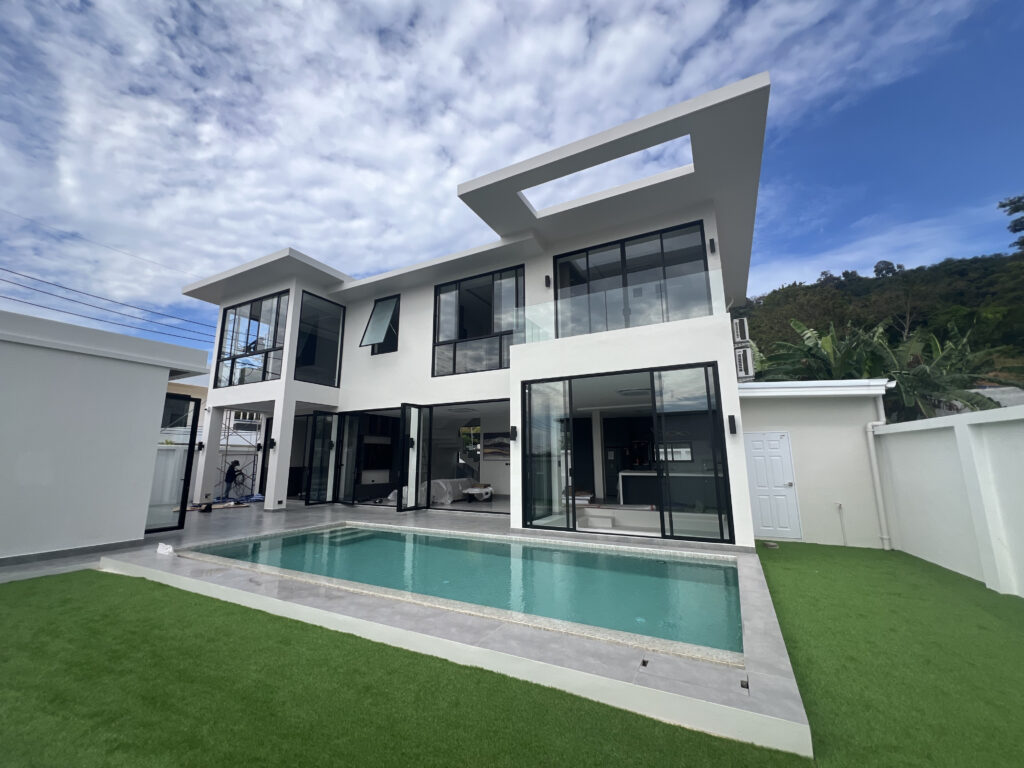
Villa Naya is a completed project delivered in Rawai in 2026. The construction covers 325 m² on a flat 488 m² plot, four bedrooms across two levels, a gym, a pool, and terraces.
Villa Naya, actual delivered project data:
- Construction cost (structure, labor, MEP, finishes): 14,000,000 THB
- Cost per m²: 43,077 THB/m²
- FF&E, kitchen, appliances, exterior landscaping: 6,000,000 THB
- Total project investment: 20,000,000 THB
- Initial BOQ: 12,000,000 THB — Final: 14,000,000 THB (+16.7%)
- Variance cause: client additions during construction, no structural or technical issues
Villa Naya illustrates a consistent pattern across our portfolio: cost increases on well-managed projects are almost always driven by client decisions made after construction starts, not by unforeseen technical problems. Fixing specifications before contractor selection eliminates this category of risk entirely.
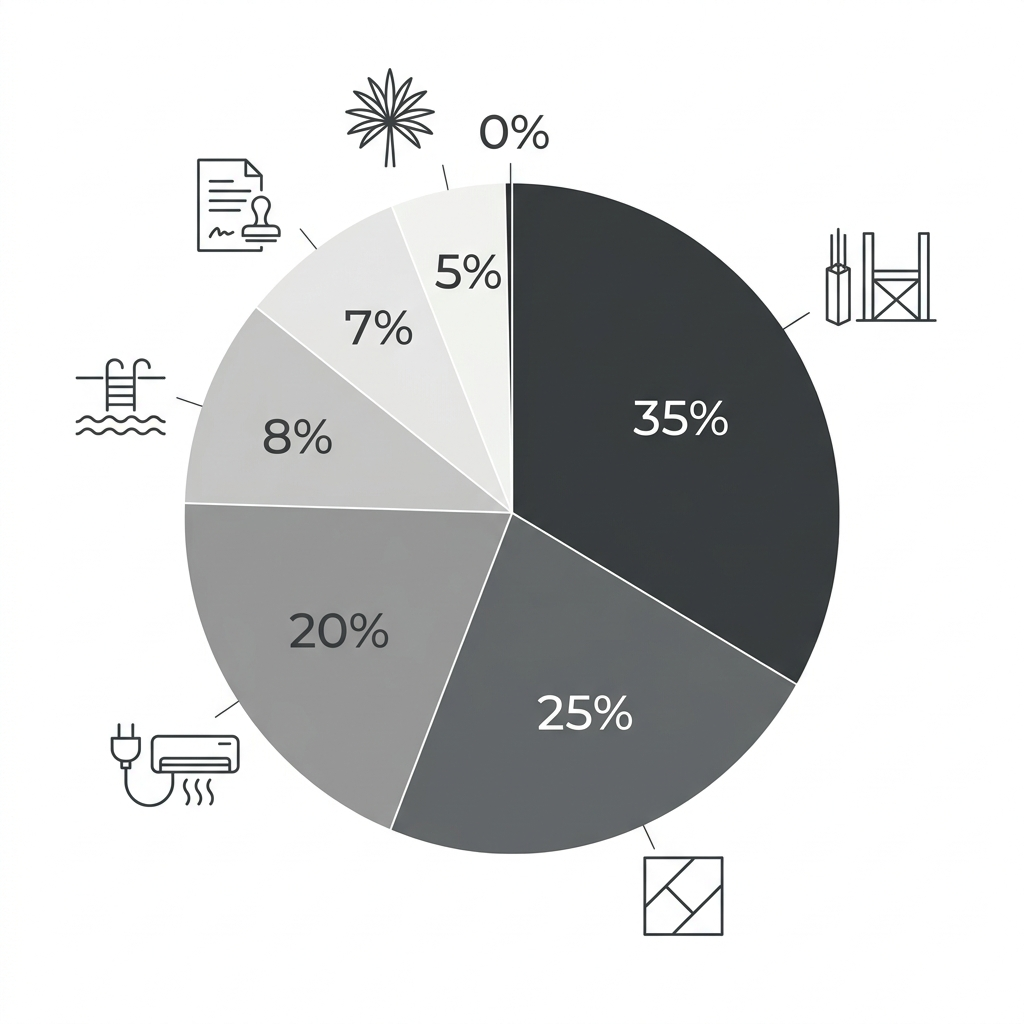
What Consistently Inflates Villa Budgets
Structural changes after permits are issued generate significant costs. A single load-bearing wall modification involves revised engineering drawings, updated structural calculations, and contractor rework, costs that accumulate quickly on any active site.
The second systematic driver is inadequate waterproofing for Phuket’s coastal tropical conditions, with 2,200 mm of annual rainfall on the west coast, and peaks exceeding 400 mm in 24 hours during monsoon season. Remedial waterproofing on a completed structure is far more expensive than correct specifications at the design stage.
For a complete analysis of how design decisions affect final costs, read our article on hidden costs in Phuket villa construction.
Condominium Construction Costs Phuket 2026
Condominium development operates on a fundamentally different cost structure from villa construction. Scale creates economies on some line items and mandatory additional costs on others that simply do not exist in residential villa projects.
Minimum Viable Condominium (30–60 Units)
Small-scale condominium, typical cost range 2026:
- Construction cost per m² GFA: 28,000 – 38,000 THB/m²
- Total construction budget: 80M – 200M THB
- Critical threshold: below 30 units, fixed infrastructure costs eliminate the economic advantage of condominium typology
Mid-Scale Condominium (80–150 Units)
Mid-scale condominium, typical cost range 2026:
- Construction cost per m² GFA: 32,000 – 45,000 THB/m²
- Total construction budget: 180M – 400M THB
- This range benefits most from scale economies on structural and MEP systems
Large-Scale Condominium (150+ Units)
Large-scale condominium , typical cost range 2026:
- Construction cost per m² GFA: 38,000 – 55,000 THB/m²
- Total construction budget: 350M THB+
- Multi-building coordination, phased construction, and larger infrastructure requirements increase per-m² complexity
Real Project Reference — Large-Scale Condominium, Layan, Phuket
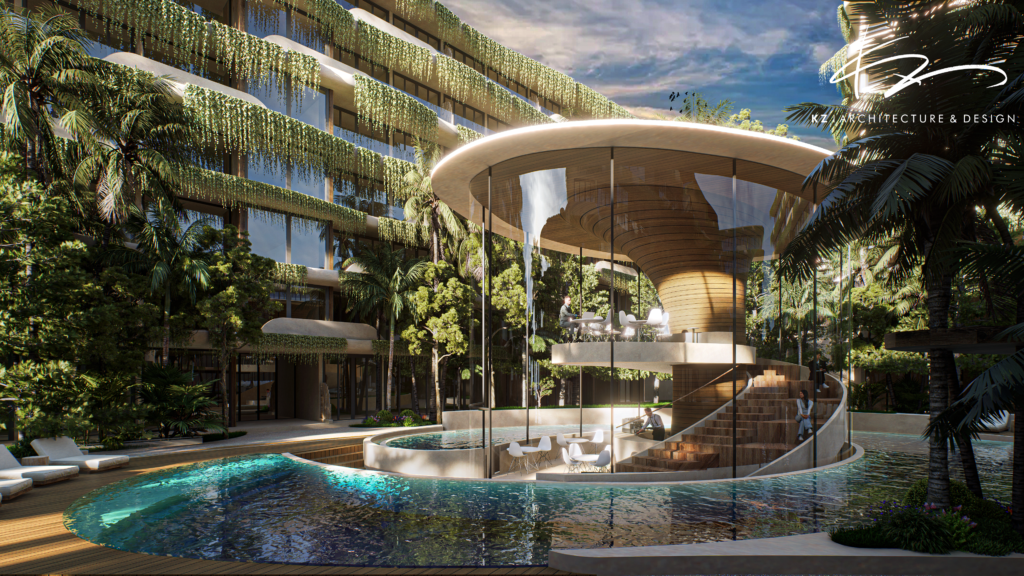
A large-scale condominium project in our portfolio — 30,000 m² of construction across multiple buildings on hillside terrain in Layan, including underground parking infrastructure — reached an observed all-in construction cost of approximately 45,000 THB/m², excluding furniture and supplier packages.
This figure validates the upper-mid range of our large-scale bracket and reflects the specific cost impact of complex hillside terrain, anti-seismic Zone 2A structural requirements, and underground infrastructure in Phuket’s coastal environment.
Cost Items Specific to Condominiums That Developers Systematically Underestimate
The Environmental Impact Assessment process adds 800,000 to 2,500,000 THB and 6 to 14 months before a construction permit can be issued. Once filed, unit counts and structural layouts are locked; any significant change requires refiling the entire study.
Underground parking on hillside terrain is consistently the most underbudgeted line item on first-time developer projects. Shared facilities—pool, lobby, fitness, and common areas—represent 8 to 12% of total construction cost. Fire safety compliance and lift infrastructure are fixed costs that do not scale proportionally with unit count.
For a detailed breakdown of regulatory requirements, read our guide on designing condominiums in Phuket.
Resort and Hospitality Construction Costs Phuket 2026
Resort construction combines the structural complexity of large-scale residential development with the finish standards of premium villa construction and adds hospitality-specific systems that push costs into a distinct bracket.
Boutique Resort (10–30 Keys)
Boutique resort, typical cost range 2026:
- Construction cost per m²: 55,000 – 75,000 THB/m²
- Total construction budget: 50M – 180M THB
- Profile: individual villa-style units, restaurant, reception, pool infrastructure, landscape
Mid-Scale Resort (30–80 Keys)
Mid-scale resort, typical cost range 2026:
- Construction cost per m²: 60,000 – 85,000 THB/m²
- Total construction budget: 150M – 400M THB
- Additional drivers: commercial kitchen certification, fire suppression to hospitality standards, back-of-house infrastructure
What Differentiates Resort Construction Costs From Residential
Commercial kitchen and F&B infrastructure adds 3 to 6% to the total budget regardless of resort size. Guest unit MEP systems—independent air conditioning zones, individual metering, and acoustic isolation between units—require significantly more complex engineering than residential construction.
Outdoor amenities represent 12 to 18% of total construction cost in resort typology versus 6 to 10% for residential villas. Landscape, lighting, pool infrastructure, and access pathways are structural cost items, not decorative additions.
A Growing Segment: Compact Resorts for First-Time Hospitality Developers
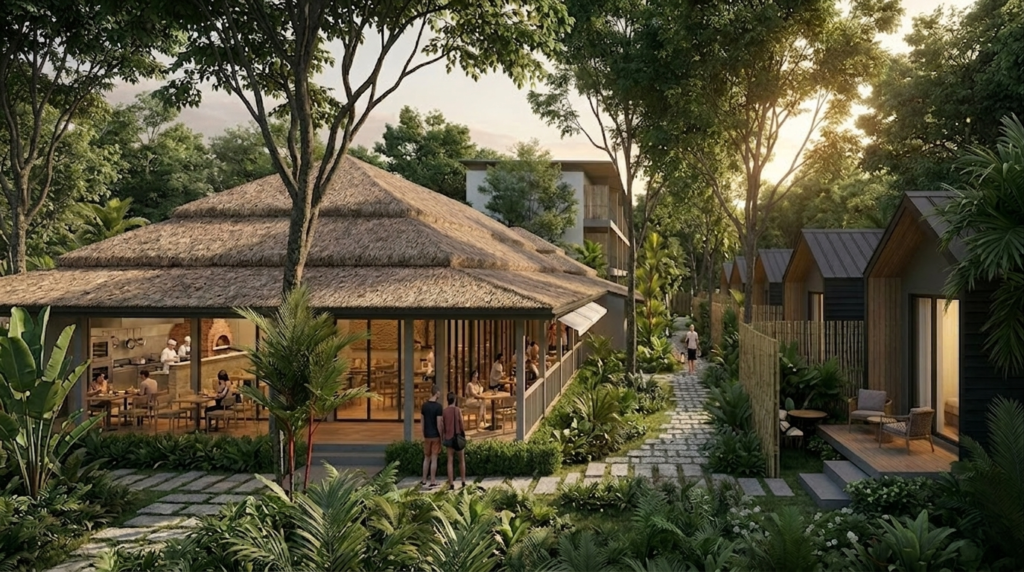
A new project typology is gaining traction in Phuket among lifestyle-driven investors entering the hospitality market for the first time: the compact resort, typically 6 to 10 bungalows combined with a small restaurant or café concept.
These projects operate on a different economic model. Units are compact — 30 to 40 m² per bungalow — with simple but well-considered specifications. Total construction budgets typically range from 10 to 20 million THB, making market entry significantly more accessible than traditional resort development.
These projects are financially viable only when occupancy rates and F&B revenue are modeled conservatively from the outset. The investment case depends on concept strength, location quality, and operational execution — not construction cost alone.
We are seeing increasing demand for this format across our prospecting pipeline in 2026, particularly from European and Australian investors seeking a lifestyle-business model in Rawai, Nai Harn, and the quieter hillside zones of southern Phuket.
Hidden Cost Drivers Most Developers Underestimate
Regardless of typology, the following items consistently appear as cost surprises. They are foreseeable and avoidable with experienced architectural coordination upstream.
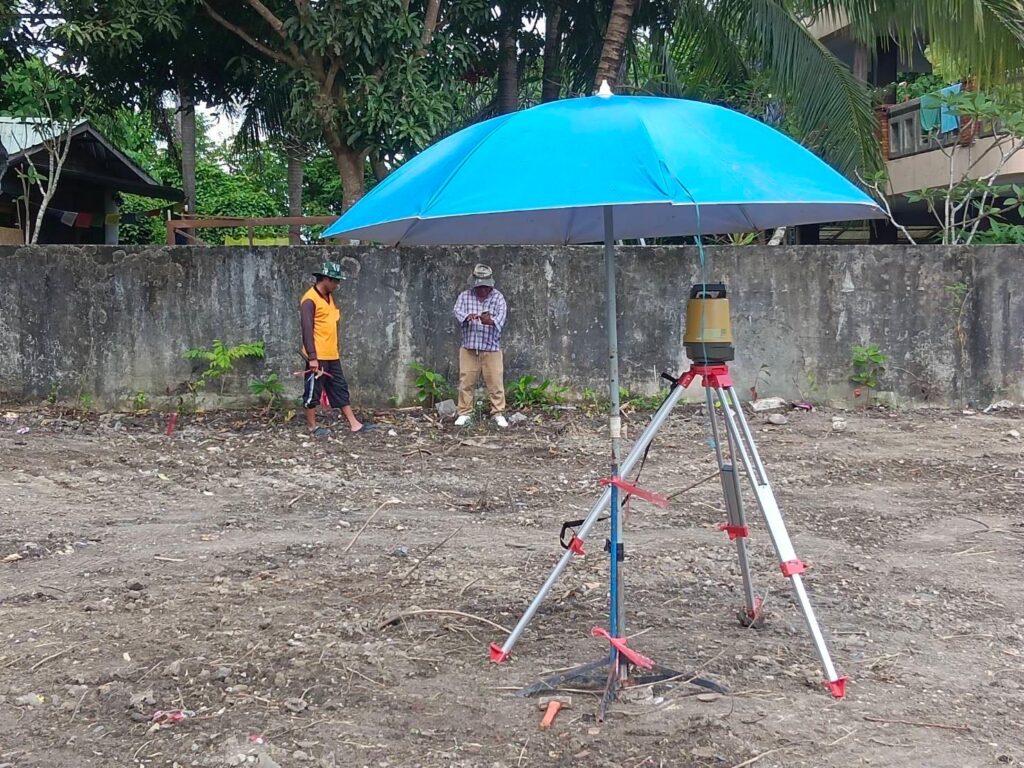
Soil investigation is generally required before structural engineering can begin. For a villa, a single investigation point is generally sufficient, at approximately 15,000 THB. Discovering unsuitable soil after construction has started can result in 500,000 to 3,000,000 THB in foundation redesign and remediation — a return on investment that is difficult to argue against.
Utility connections—water, electricity, and access roads—are rarely included in initial contractor quotes. For non-serviced plots across Bang Tao, Kamala Hillside, or southern Phuket, connection costs range from 150,000 THB for straightforward urban connections to over 2,000,000 THB for remote locations.
Imported materials—natural stone, aluminum facade systems, and custom joinery—are subject to shipping delays and customs clearance variability that coastal island logistics amplify. A delayed shipment can freeze an active construction site for weeks, with contractor costs running regardless.
Professional fees and regulatory studies total 2 to 4% of construction cost on a standard villa and 3 to 6% on a condominium project once structural engineering, MEP studies, soil investigation, and permit fees are fully accounted for.
Contingency should be budgeted at a minimum of 8 to 10% of the total construction cost on all Phuket projects. Across 10 projects in our 2025–2026 portfolio, ranging from boutique villa developments to large-scale residential complexes exceeding 1 billion THB, cost overruns are significantly more frequent when documentation is incomplete at the contractor selection stage.
How Project Scale Affects Cost Per m²
A widely held assumption is that larger projects always produce lower costs per m². The reality is more nuanced.
In residential villa construction, a scale above 600 m² begins to generate measurable economies on structural work and contractor mobilization. Below this threshold, the cost per m² is relatively stable across the standard and premium segments.
In condominium development, the economic break-even for scale lies at approximately 60 to 80 units. Below this threshold, fixed costs—environmental assessment, underground infrastructure, and shared facilities—make the cost per m² comparable to or higher than premium villa construction. This is the primary reason small condominium projects are economically fragile in Phuket.
In resort development, scale economies are limited because each key requires similar MEP complexity regardless of total unit count. The primary economy in larger resorts comes from shared infrastructure amortized across more revenue-generating keys.
The most significant cost reduction lever across all typologies is not scale—it is design quality at the feasibility and concept stages. A technically complete package delivered before contractor selection—full architectural drawings, structural documentation, coordinated MEP, and a comprehensive BOQ—consistently produces lower final costs than projects where construction begins on incomplete documentation.
This is where owner-side architectural coordination creates measurable value throughout the project lifecycle.
For a detailed breakdown of what architectural fees cover, read our article on architecture fees in Phuket.
All figures presented in this article are indicative ranges based on active Phuket projects in 2025–2026. Final construction costs vary depending on site conditions, structural systems, specifications, contractor selection, regulatory requirements, and market conditions. These figures are provided for reference and should not substitute a project-specific cost assessment.
Frequently Asked Questions
What is the average construction cost per m² in Phuket in 2026?
Construction costs vary significantly by typology. Villas range from 35,000 to 90,000+ THB/m² depending on finish level. Condominiums sit between 28,000 and 55,000 THB/m² GFA. Boutique resorts start at 55,000 THB/m². All figures exclude land, professional fees, and regulatory studies. See the summary table at the top of this article.
What budget do I need to start a condominium project in Phuket?
A viable condominium in Phuket requires approximately 150 to 200 million THB in total investment—land, construction, professional fees, studies, and working capital. Below this threshold, the environmental assessment process, infrastructure requirements, and shared facility obligations rarely justify the regulatory complexity versus villa development.
What is the minimum realistic budget for a private villa in Phuket?
Budgets below 7 to 8 million THB for a 200 m² villa in Phuket frequently result in compromises on waterproofing quality, site preparation, or long-term structural durability. For a real reference point: Villa Naya, Rawai, 325 m², delivered in 2026 at 43,077 THB/m² construction cost on a flat plot.
Do I need an architect for a condominium or resort project in Phuket?
Thai building regulations require licensed architectural drawings above defined construction thresholds. Beyond legal compliance, large-scale projects involve environmental assessment coordination, multi-system engineering, and regulatory complexity that cannot be managed without professional architectural oversight. An architect working for the owner — not the contractor — protects the developer’s interests throughout the entire process.
How long does villa construction take in Phuket?
A well-prepared villa project typically takes 14 to 18 months from permit submission to handover. Initial timelines are often quoted shorter, but real delivery extends once permitting, weather constraints, and site logistics are fully accounted for. Heavy rainfall between September and November regularly slows structural work, excavation, and waterproofing on exposed hillside sites. Full breakdown in our article on construction timelines in Phuket.
Is it cheaper to build or buy a villa in Phuket?
At 2026 market prices, new villa construction with owner-side architectural supervision and a competitively tendered contractor can produce a final cost below the equivalent market purchase price for comparable finishes and locations—provided design and documentation are properly managed upstream.
What professional fees should I budget beyond construction cost?
For a villa: 3 to 6% for architecture, plus structural engineering, permit fees, and soil investigation—totaling 6 to 13% of construction cost. For a condominium, add the environmental assessment study (800K to 2.5M THB fixed), MEP engineering coordination, and landscape architecture—bringing total fees to 8 to 15% of construction cost. Full breakdown in our article on architecture fees in Phuket.
Construction costs in Phuket are real, measurable, and predictable — with the right technical preparation upstream. Most budget overruns are designed upstream long before they appear on site. A technically qualified architect identifies these risks at feasibility stage — before they become expensive problems on site.
About KZ Architecture & Design
KZ Architecture & Design is a licensed architecture firm based in Phuket, Thailand, specialized in villa design, condominium development, and resort architecture for European and international investors across Southeast Asia. The firm specializes in technically complex hillside developments and investor-oriented projects in Phuket.
- Founded by Kaled Kamala, French architect, Paris-Val-de-Seine School of Architecture (2004)
- Based in Phuket since 2020 — active projects across villa, condominium, and resort typologies
- Licensed architecture firm operating across Thailand and Southeast Asia
- DOT Property Awards 2024: Best Architectural Design SE Asia, Best Interior Design SE Asia, Best Master Plan Design Thailand
Written by Kaled Kamala, Founder of KZ Architecture & Design. The French architect graduated from the Paris-Val-de-Seine School of Architecture. Based in Phuket since 2020, with 20 years of international experience, including 12 years in Asia.